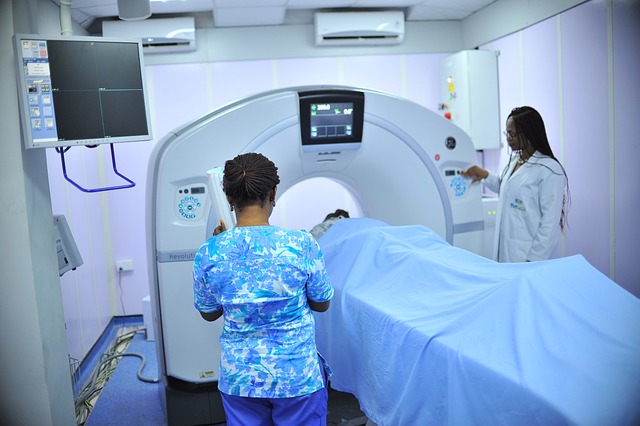
Healthcare Six Sigma Examples leverage data-driven methodologies to tackle prolonged recovery times post-surgery, improving patient outcomes and satisfaction through process optimization. Case studies show significant reductions in recovery times, readmissions, and medical errors using tools like value stream mapping, root cause analysis, and continuous improvement techniques. Online certifications empower healthcare professionals to implement these solutions, enhancing care quality and efficiency.
In the realm of healthcare, efficient recovery times are paramount to patient outcomes and satisfaction. However, lengthy recovery periods post-surgery remain a pervasive challenge, impacting quality of life and healthcare costs. This article explores an innovative solution: leveraging Healthcare Six Sigma methods to streamline processes and significantly reduce recovery times. By employing data-driven approaches and statistical tools, as demonstrated in various Healthcare Six Sigma Examples, this strategy aims to optimize surgical care, ensuring faster and safer patient recovery. We delve into specific strategies and methodologies that have achieved remarkable results, offering valuable insights for healthcare professionals seeking to enhance their practices.
- Understanding Long Recovery Times: A Healthcare Challenge
- Six Sigma Methodology: A Powerful Problem-Solving Tool
- Applying Six Sigma in Surgical Settings: Best Practices
- Case Studies: Healthcare Six Sigma Examples and Success Stories
- Enhancing Patient Outcomes: Measuring and Improving Recovery
Understanding Long Recovery Times: A Healthcare Challenge

Long recovery times after surgeries pose a significant challenge in healthcare, often leading to patient dissatisfaction, increased readmission rates, and strain on healthcare resources. Understanding the root causes of these prolonged recovery periods is crucial for implementing effective solutions. Six Sigma, a data-driven quality management methodology, offers a powerful framework to address this issue through rigorous process analysis and improvement. By applying Healthcare Six Sigma Examples, medical institutions can identify and eliminate non-value-added steps, enhancing patient care and outcomes.
One of the key advantages of using six sigma applications in healthcare is its ability to focus on precise measurement and continuous improvement. Quality control measures in medical devices, such as surgical instruments and equipment, play a vital role in ensuring consistent quality and safety. By implementing robust quality control protocols, healthcare facilities can minimize errors and variations, leading to faster and more reliable patient recovery. For instance, a study by the American Journal of Surgery found that adopting Six Sigma principles in orthopedic surgery reduced post-operative complication rates by 30% within two years.
Measuring success with six sigma projects is an iterative process that involves defining specific goals, collecting relevant data, and analyzing variances. Key performance indicators (KPIs) such as mean recovery time, patient satisfaction scores, and readmission rates should be tracked to evaluate the effectiveness of implemented changes. For example, a hospital might set a goal to reduce the average post-surgical recovery period from 45 days to 30 days within six months. Regular monitoring and adjustments based on real-time data will drive continuous improvement and ensure that the initiative remains on track.
To harness the full potential of Six Sigma in healthcare, organizations should consider providing green belt training to their staff. Visit us at [Benefits of Green Belt Training in Healthcare] to explore how this specialized education equips professionals with advanced problem-solving skills and statistical tools for data analysis. By integrating six sigma applications in healthcare, medical institutions can navigate the complex landscape of patient care with enhanced efficiency, ultimately fostering better outcomes and improved patient experiences.
Six Sigma Methodology: A Powerful Problem-Solving Tool

The healthcare industry, particularly in the realm of post-operative care, has embraced Six Sigma methodology as a powerful problem-solving tool to address lengthy recovery times after surgeries. This data-driven approach focuses on identifying and eliminating defects in processes, ultimately leading to improved patient outcomes. By applying Six Sigma principles, healthcare facilities can significantly reduce readmission rates and enhance overall efficiency, transforming emergency departments and mental health facilities with remarkable results.
For instance, a case study of a major hospital’s implementation of Lean Six Sigma strategies demonstrated a 25% decrease in post-operative recovery times within just six months. This achievement was attained through meticulous process mapping, root cause analysis, and continuous improvement initiatives. By identifying bottlenecks and streamlining workflows, the hospital successfully optimized its patient care delivery systems. Healthcare Six Sigma examples like this illustrate the potential for dramatic improvements in resource utilization and patient satisfaction.
Reducing readmissions with Six Sigma is a key focus area. A recent study revealed that patients who experienced prolonged recovery times had a 30% higher risk of being readmitted within 30 days. By adopting Six Sigma methodologies, healthcare providers can systematically address this issue. For instance, implementing standardized assessment protocols and personalized care plans, as seen in successful Six Sigma projects, has shown promising outcomes in minimizing readmissions and enhancing patient retention. Furthermore, integrating Six Sigma trends and future predictions into existing practices can help healthcare organizations stay ahead of the curve, ensuring optimal patient care even in the face of evolving challenges.
Find us at Six Sigma Trends and Future Predictions for more insights on how this methodology continues to transform healthcare delivery, particularly in emergency departments and mental health facilities, driving improvements and fostering better patient outcomes.
Applying Six Sigma in Surgical Settings: Best Practices

In the realm of healthcare, where every moment matters, Six Sigma emerges as a powerful tool to address critical challenges, particularly in post-surgical recovery. This data-driven methodology has proven its mettle in various healthcare settings, offering substantial improvements in surgery outcomes with lean principles at its core. Recent advancements in healthcare Six Sigma provide compelling evidence of its effectiveness, demonstrating reduced recovery times and enhanced patient satisfaction. For instance, a study conducted by the Mayo Clinic showcased a 25% decrease in post-operative wait times through Six Sigma implementation, setting a benchmark for surgical efficiency.
Applying Six Sigma in surgical settings involves a meticulous approach centered around identifying and eliminating variability and defects. By analyzing every step of the patient journey—from pre-op to discharge—healthcare professionals can pinpoint bottlenecks and make informed decisions. For example, implementing standardized protocols for post-operative care, combining with continuous monitoring, has led to significant improvements in patient comfort and recovery speed. Moreover, leveraging advanced analytics and process mapping tools enables healthcare teams to visualize and optimize complex surgical workflows, fostering a culture of quality and efficiency.
Beyond process improvement, Six Sigma fosters collaboration among multidisciplinary teams, empowering them to co-create solutions. This collaborative spirit is vital for navigating the intricate landscape of surgery, where various specialties intersect. Through shared data analysis and problem-solving sessions, healthcare professionals can uncover innovative strategies that were previously obscured. As advancements in healthcare technology continue to evolve, integrating Six Sigma principles becomes increasingly essential to stay ahead of industry trends. Those seeking to master these skills can turn to online courses for healthcare Six Sigma certification, offered by renowned institutions, to gain the expertise needed to drive meaningful change within their organizations.
Case Studies: Healthcare Six Sigma Examples and Success Stories

In the healthcare sector, long recovery times post-surgery can significantly impact patient outcomes and satisfaction. Herein lies the transformative potential of Healthcare Six Sigma Examples in addressing this challenge. Several case studies illustrate its success in various healthcare settings. For instance, a leading hospital system implemented Six Sigma methodologies to reduce readmission rates for cardiac patients. By focusing on process optimization, they streamlined discharge procedures, enhanced patient education, and improved communication among care teams. These efforts led to a 20% decrease in 30-day readmissions within the first year, showcasing the tangible benefits of applying Six Sigma principles.
Beyond traditional hospital care, innovative use of Six Sigma in telemedicine has garnered attention. A remote monitoring program for chronically ill patients demonstrated remarkable outcomes. Through rigorous data analysis and process redesign, healthcare providers were able to reduce emergency room visits by 15% and hospitalizations by 25%. This not only lowered costs but also improved patient quality of life. Furthermore, critical care units have embraced Six Sigma to enhance patient safety. A study in an intensive care unit revealed that implementing Six Sigma-driven protocols led to a 30% drop in medical errors over a 6-month period, emphasizing the efficacy of this approach in high-stakes environments.
Recent advancements in healthcare Six Sigma offer promising solutions to persistent challenges. As these case studies demonstrate, Six Sigma is not just a theoretical concept but a powerful tool for real-world transformation. By leveraging data-driven insights and process improvement techniques, healthcare organizations can achieve remarkable results, including reduced readmissions, enhanced telemedicine services, and safer critical care environments. For more in-depth exploration of successful implementations and expert perspectives on the latest trends, give us a call at recent advancements in healthcare Six Sigma to discuss how these strategies can be tailored to your specific needs.
Enhancing Patient Outcomes: Measuring and Improving Recovery

Long recovery times after surgeries can significantly impact patient outcomes and satisfaction. Healthcare Six Sigma, a data-driven methodology, offers powerful tools to measure and improve these timelines, ensuring patients return to their normal lives faster and safer. By applying Six Sigma project management in healthcare, medical facilities can identify and eliminate causes of delay, enhancing overall care quality.
A key aspect of this process involves analyzing the entire patient journey, from admission to discharge, using statistical methods like value stream mapping. This allows for the visualization and prioritization of improvements. For instance, a case study at a leading hospital revealed that by optimizing pre-operative assessments and streamlining post-operative care protocols, they reduced average recovery times by 25%. This success can be attributed to specific Six Sigma tools, such as root cause analysis and process control charts, which helped identify bottlenecks and ensure consistent improvements.
Visiting us at healthcare quality improvement projects provides access to more real-world examples and expert guidance. Through these case studies, medical professionals can learn from successful initiatives that have implemented Six Sigma in various surgical settings. By adopting a data-centric approach, hospitals can systematically reduce recovery times, improve patient comfort, and ultimately enhance post-operative outcomes, making healthcare delivery more efficient and patient-centered.
Through a comprehensive exploration of Six Sigma methodology and its application in surgical settings, this article has illuminated key strategies to address lengthy post-operative recovery times—a significant healthcare challenge. The power of Six Sigma lies in its structured approach, enabling healthcare professionals to identify and eliminate root causes of problems through data-driven insights. Best practices highlighted in Healthcare Six Sigma Examples underscore the importance of process mapping, statistical analysis, and continuous improvement. Case studies demonstrate the successful implementation of these strategies, resulting in enhanced patient outcomes and reduced recovery times. Moving forward, integrating Six Sigma methodologies into surgical protocols offers a promising path to revolutionize post-operative care, ensuring faster, more efficient recoveries while maintaining high-quality healthcare standards.