Fix Long Surgey Recovery Times with Healthcare Six Sigma Examples

Healthcare Six Sigma Examples leverage data-driven methodologies to tackle prolonged recovery times…….
In the ever-evolving healthcare landscape, where patient outcomes and operational efficiency are paramount, Six Sigma emerges as a powerful methodology. This article delves into the world of “Healthcare Six Sigma Examples,” exploring real-world applications that have revolutionized patient care, reduced costs, and improved overall healthcare delivery. By examining these examples, we gain valuable insights into how data-driven decision-making and process optimization can drive significant changes in the healthcare sector.
Definition: Healthcare Six Sigma is an advanced quality management and process improvement methodology that leverages statistical tools and techniques to identify and eliminate defects, reduce variability, and improve processes. It is based on the Six Sigma philosophy, which aims to achieve near-perfect outcomes by minimizing errors and defects in healthcare delivery.
Core Components:
Define: Clearly understand the problem or opportunity area within healthcare operations. Identify key performance indicators (KPIs) and stakeholder needs.
Measure: Collect and analyze data to establish a baseline for the current process, identifying variances and areas of improvement.
Analyze: Use statistical methods to determine root causes of problems. This involves data analysis, fishbone diagrams, and failure mode effect analysis (FMEA).
Improve: Develop and implement solutions based on the analysis. This step often includes process re-engineering, technology integration, or organizational changes.
Control: Establish systems to monitor and control processes, ensuring sustained improvements and preventing regression.
Historical Context: The origins of Six Sigma can be traced back to Motorola in the 1980s, where it was initially applied to manufacturing. In the late 1990s, healthcare organizations began adopting Six Sigma as a means to combat medical errors and improve patient safety. Since then, its popularity has soared, with numerous case studies showcasing successful implementations worldwide.
Significance: Healthcare Six Sigma Examples are crucial for:
The influence of Healthcare Six Sigma extends beyond national borders, with key trends shaping its global trajectory:
| Region | Trends | Impact |
|---|---|---|
| North America | Widespread adoption in hospitals and healthcare systems | Improved patient safety and reduced costs |
| Europe | Integration into national health policies | Standardized process improvement approaches |
| Asia-Pacific | Increasing focus on community healthcare and chronic disease management | Enhanced access to quality healthcare |
| Middle East & Africa | Adoption by private healthcare providers | Better resource allocation and outcomes |
International collaborations, such as the Global Health Six Sigma Initiative, promote knowledge sharing and best practices, further solidifying its global impact.
The healthcare industry is a significant economic sector, with Six Sigma initiatives contributing to:
Healthcare organizations invest heavily in Six Sigma training, tools, and consulting services to drive process improvement. According to a 2021 report by Market Research Future (MRFR), the global Six Sigma market is projected to reach USD 9.7 billion by 2027, growing at a CAGR of 7.8% from 2020 to 2027.
Six Sigma projects can positively impact economic systems by:
Technological innovations play a pivotal role in Healthcare Six Sigma:
These advancements complement Six Sigma methodologies, providing powerful solutions for complex healthcare challenges.
Key policies and regulations shape the implementation of Healthcare Six Sigma:
Regulatory bodies often collaborate with industry experts to develop guidelines and standards for successful Six Sigma implementation.
Despite its numerous benefits, Healthcare Six Sigma faces certain challenges:
Strategic Solutions:
Johns Hopkins Medicine implemented a Six Sigma project to reduce medical errors and improve patient safety. By analyzing data from various departments, they identified high-risk areas, such as medication ordering and administration. Using process mapping and statistical analysis, they redesigned these processes, introducing digital prescriptions and enhanced verification protocols. The result was a 40% reduction in adverse drug events and improved patient satisfaction scores.
Singapore’s public healthcare system adopted Six Sigma to optimize clinical workflows. They focused on streamlining the discharge process, which involved multiple departments and documentation. By redesigning the workflow using lean principles, they reduced average hospital stay by 1.5 days, improved bed utilization, and enhanced patient satisfaction with the discharge experience.
Mayo Clinic utilized Six Sigma to develop a chronic disease management program for patients with diabetes. The project involved educating patients on self-management techniques and implementing a telecare system for remote monitoring. Through data analysis, they identified high-risk patients and tailored interventions accordingly. This initiative led to improved glycemic control, reduced complications, and enhanced patient engagement.
The future of Healthcare Six Sigma is promising, with several growth areas and emerging trends:
“Healthcare Six Sigma Examples” represent a powerful approach to transforming the healthcare sector. Through data-driven decision-making and process optimization, these examples have demonstrated improved patient outcomes, reduced costs, and enhanced operational efficiency. As healthcare continues to evolve, embracing Six Sigma methodologies will be essential for organizations aiming to deliver high-quality, accessible, and sustainable care.
Q: How does Healthcare Six Sigma differ from traditional quality improvement initiatives?
A: Healthcare Six Sigma goes beyond typical quality improvement by focusing on data-driven decision-making and statistical process control. It utilizes advanced tools and techniques to identify and eliminate defects at a granular level, ensuring more precise and sustainable improvements.
Q: Can Six Sigma be applied to all healthcare settings?
A: While Six Sigma is versatile, its successful implementation depends on organizational buy-in, access to data, and the availability of resources for training and infrastructure. Smaller practices or rural clinics may face unique challenges but can still benefit from targeted Six Sigma initiatives.
Q: What role does technology play in Healthcare Six Sigma?
A: Technology enables data collection, analysis, and process automation, enhancing the effectiveness of Six Sigma projects. Electronic health records, analytics tools, and digital health platforms are essential assets for driving process improvement in modern healthcare settings.
Q: How can organizations overcome resistance to Six Sigma implementation?
A: Change management is crucial. Involving frontline staff in the process, providing training and support, and showcasing early successes can help build excitement and buy-in. Communication and education about Six Sigma’s benefits are essential to overcoming initial resistance.
Healthcare Six Sigma Examples leverage data-driven methodologies to tackle prolonged recovery times…….

Healthcare Six Sigma Examples demonstrate a powerful approach to enhance home healthcare services th…….

Healthcare Six Sigma Basics enhance patient care and operational efficiency through data-driven meth…….
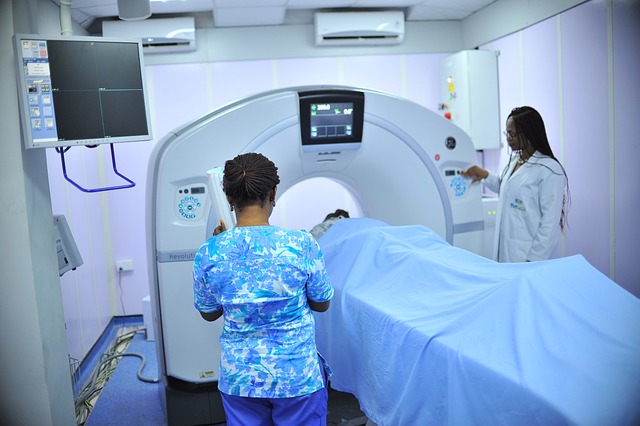
Healthcare Six Sigma Examples leverage data-driven approaches like DMAIC and DMAD to enhance quality…….

Healthcare Six Sigma leverages data-driven DMAIC methodologies from Motorola to enhance patient safe…….

Healthcare Six Sigma Examples demonstrate data-driven approaches to enhance patient satisfaction by…….

Healthcare Six Sigma Examples leverage data-driven methodologies to enhance process efficiency and p…….

Healthcare Six Sigma Examples offer a powerful toolkit to optimize emergency room (ER) flow, reducin…….

Choosing the right Six Sigma certification for healthcare professionals hinges on aligning skills wi…….

Healthcare Six Sigma Examples demonstrate a data-driven framework for transforming operations, reduc…….